
Operational Art
The staff work that turns purpose into progress
This is the fourth in a long series of posts focused on the idea that Life is War.
Strategy is the “Why.”
Tactics are the “What I do today.”
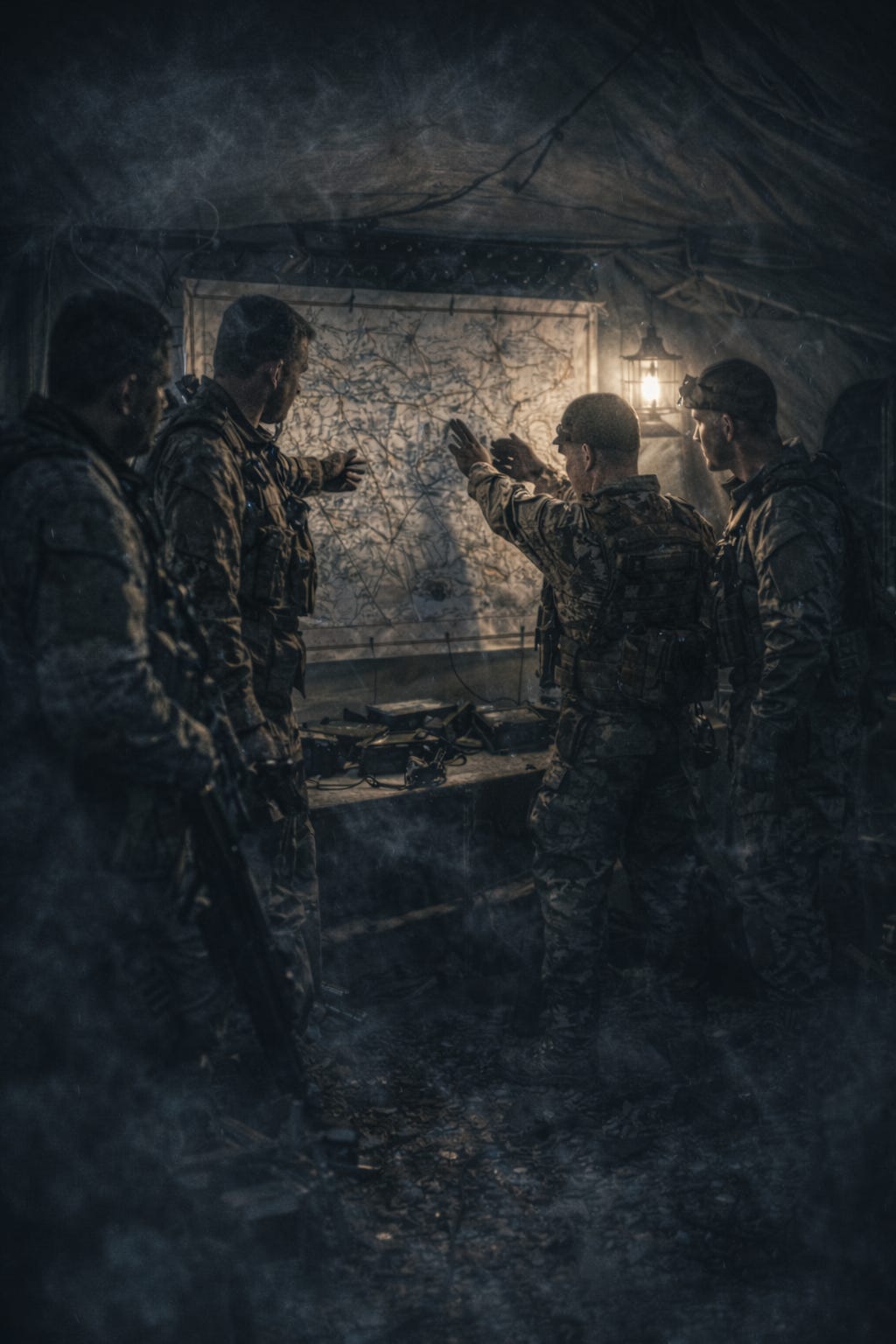
Operational Art is the realm of the staff officer. It is the bridge that keeps you from becoming either a General without a war or a Sergeant without a plan.
The operational level of war links strategy to tactics. It turns purpose into progress.
In life, it turns your strategic aim into a series of winnable objectives.
Because life doesn’t beat you with one big battle. It beats you with a thousand unplanned days.
Operational art prevents that.
“The conduct of an operation is not a matter of tactics. It has become the lot of operational art.” — N. E. Varfolomeev
Most people set goals like:
“Get in shape.”
“Write a book.”
“Grow my business.”
“Fix my marriage.”
That’s not an operational objective. That’s a wish.
Operational planning asks:
To win, what has to be true 90 days from now?
What are my lines of effort, and how do I prioritize them?
How do I most effectively sequence events?
What do I do when friction hits? (Because it will.)
This is where the staff officers are separated from the amateurs.
Amateurs wait for the fight to come to them; professionals rely on operational design.
The Operational Objective
Operational objective answers:
How do I win this year?
This quarter?
This month?
They are the stepping stones to strategic victory.
“Everything in war is very simple, but the simplest thing is difficult. The difficulties accumulate and end by producing a kind of friction.” — Carl von Clausewitz
An operational objective must anticipate and account for friction. It must be measurable, constrained, and resourced.
Example:
Strategic Aim: “Be healthy, happy, and fit enough to travel the world with the resources to do so at 70.”
Operational Objective (next 180 days): “Drop 15 pounds, run a marathon in under 4.5 hours, and deadlift 2x my bodyweight.”
That’s an operation. You can execute that. This objective is focused on health. Your next might be focused on work or family.
The Operational Level of War is where you build your contract with yourself.
It’s where you stop acting like a random fighter and start acting like a commander.
Operational discipline is boring. That’s why it works.
It’s weekly planning, not constant re-planning.
It’s building SOPs, not reinventing the wheel.
It’s keeping the objective in sight at all times.
The Counterattack
If you don’t plan your week, your week will counterattack with distractions, comfort, and excuses.
Operational planning is how you fight back.
Operational Planning Task:
Review your strategic aim.
Now build a 60 -180-day operational objective that will move you towards it.
A metaphorical beachhead, major city, or mountain you will seize. Give your operation a cool name like Operation Phantom Fury, Operation Anaconda, Operation Gothic Serpent, or Operation Overlord. Then execute.
Because a strategy without operation is just a speech.
And speeches don’t win wars.
We’ll dive deeper next week.
Until then, Keep Walking Point,
John

If you've read my book, Tough Rugged Bastards, thank you for helping make it a bestseller. I would appreciate it if you would leave an honest review on Amazon. Thanks!


