
Campaigning
Achieving the Possible
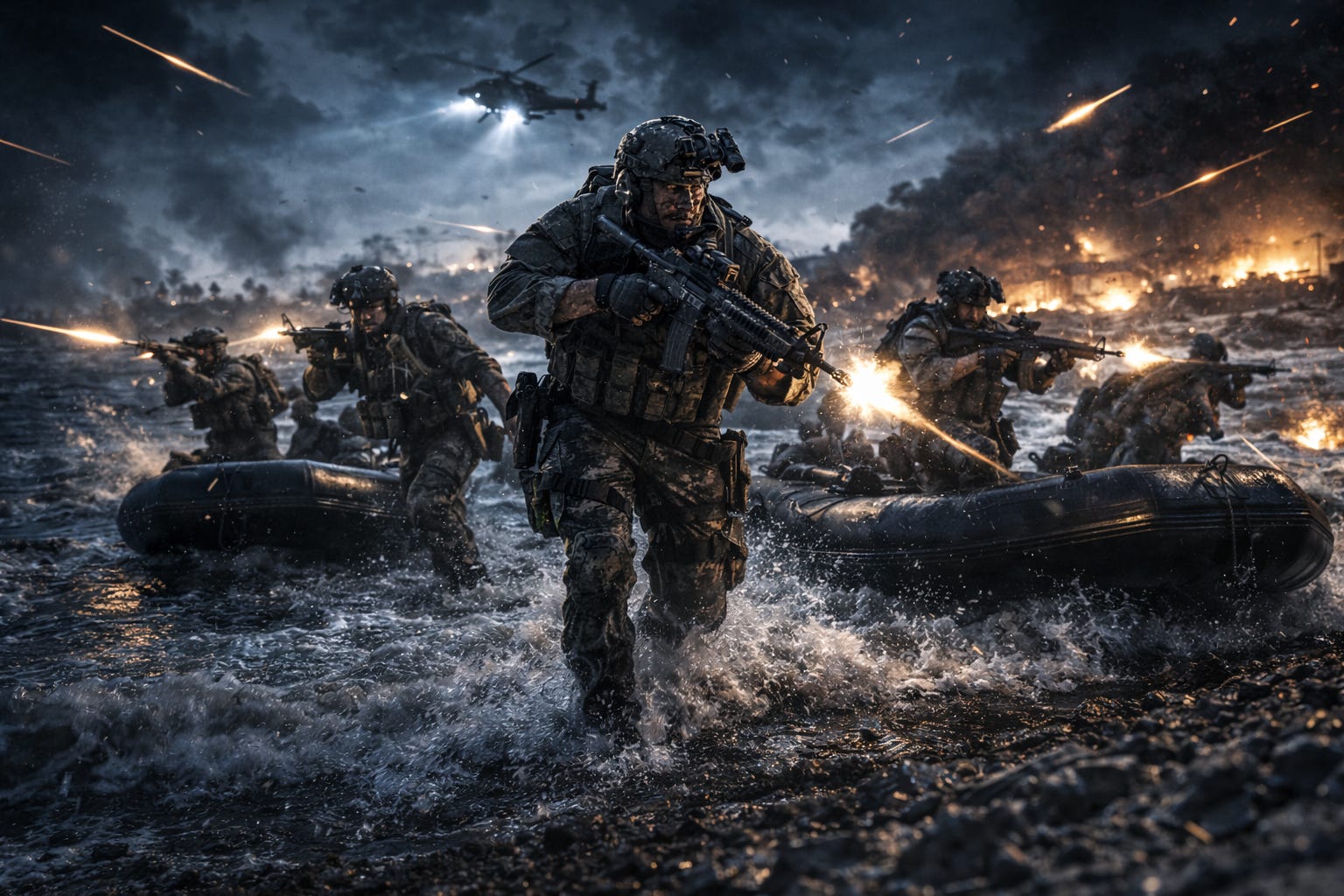
This is the seventh in a long series of posts focused on the idea that Life is War.
Last week, we hit on the idea of campaigning, which is “a series of related operations aimed at a strategic or operational objective—done over time, across terrain, under constraints.”
If our strategic aim is the azimuth towards our overarching goal, and the operational objectives are the towns, hills, beachheads, and bridges that serve as stepping stones to get there, then our Campaign plan is the document that helps us decide which order we will attack the towns, hills, beachheads, and bridges.
As Monty said, “It is essential to relate what is strategically desirable to what is tactically possible with the forces at your disposal. To this end, it is necessary to decide the development of operations before the initial blow is delivered.” - Field Marshall Bernard Montgomery
This is why so many people fail even when they think they are disciplined.
They are picking targets that can’t be taken with the force they can actually generate on a Monday morning.
Or they pick targets that are too small to make a difference. Or targets that are simply not relevant to the current fight.
They are always fighting, but they never gain any ground
The art of Campaigning is not just choosing hard, but choosing hard but smart.
In war, there is a difference between courage and stupidity.
The same thing applies to the war of life.
A hard target that doesn’t serve the strategic aim is expensive in blood and treasure. A smart target that doesn’t require you to grow is just holding ground that you have already taken.
A Campaign plan identifies the targets and the sequence in which to hit them.
Targets that hurt enough to build you, but not so much that they break you. Targets with enough strategic value to move you forward.
A good objective should move you closer to the strategic aim and make you more capable for the next objective.
That second part is why sequencing is important and where momentum comes from. Momentum is capability compounding.
Why people pick the wrong targets
Most target selection failures come from one of three planning errors:
Error #1: “If it’s hard, it must be good.”
I am a believer that generally, hard is good, but picking an objective that is too hard for your current capability is a great way to remain strategically irrelevant.
Error #2: “If it’s smart, it shouldn’t hurt.”
Also no. Anything worth doing will demand tradeoffs. Pain is the price of becoming the person who can hold the next piece of ground.
Error #3: “I’ll just do everything.”
This is how you lose the war while winning a thousand skirmishes.
Campaigning forces the understanding that you don’t have unlimited blood & treasure. You have limited time, limited energy, limited attention, limited recovery, limited political capital at home, and a limited number of hours per day that you can fight at your best.
That’s reality. Like when you realize that the three inches you need to move on the map is 10 klicks of impenetrable jungle that will take you a full day to cover.
When you’re selecting objectives, your towns, hills, and bridges, ask the following planning questions:
1) Does it serve the strategic aim?
If your strategic aim is “drop 30 pounds and become a durable, dangerous 56-year-old,” then an objective like “max bench this week” might be fun, but it’s not necessarily campaign-relevant.
If I take this objective, will I be able to argue that I moved closer to the aim?
If not, it’s probably a side quest.
2) Can I take it with the forces I have?
This is Montgomery’s point.
You don’t plan with the man you wish you were. You plan with the man you can reliably deploy.
Most of us can rally the troops and surge for a week. But can you sustain the operational tempo long enough to matter?
An objective that requires you to have perfect mornings, perfect motivation, perfect weather, and perfect life conditions will fall apart under the uncertainty, chaos, and fluidity of the war of life.
If the objective requires a special operations team and you are a bulk fuel specialist, you are setting yourself up for failure.
3) Will taking this objective increase my combat power?
This is where campaigns separate from goals. A good objective is a stepping stone. It creates a new baseline.
In training, it might be building an aerobic base, foot durability, and confidence under load, so the next objective can safely increase speed or distance.
In business, it might mean building a satisfied customer base so that later you can refine your offer and raise your price.
In writing, it might be developing daily writing discipline, so your book stops being something you talk about and becomes a project.
You’re not just capturing terrain. You’re building a force that will, over time and with continued development, be capable of achieving your strategic aim.
More on this next week
Until then, Keep Walking Point,
John

If you've read my book, Tough Rugged Bastards, thank you for helping make it a bestseller. I would appreciate it if you would leave an honest review on Amazon. Thanks!


